Work with the manufacturer
Discuss your project directly with Wintouch in Dongguan.

Work with Wintouch to adapt a display for your brand and application. Agree enclosure, touch, brightness, connections and system requirements, then approve the specification before production.
Discuss your project directly with Wintouch in Dongguan.
Match mounting, touch, interfaces and branding to your equipment.
Approve your sample and inspection requirements before ordering.
See our assembly and screen-testing areas. We agree the inspection plan and required records for your order.

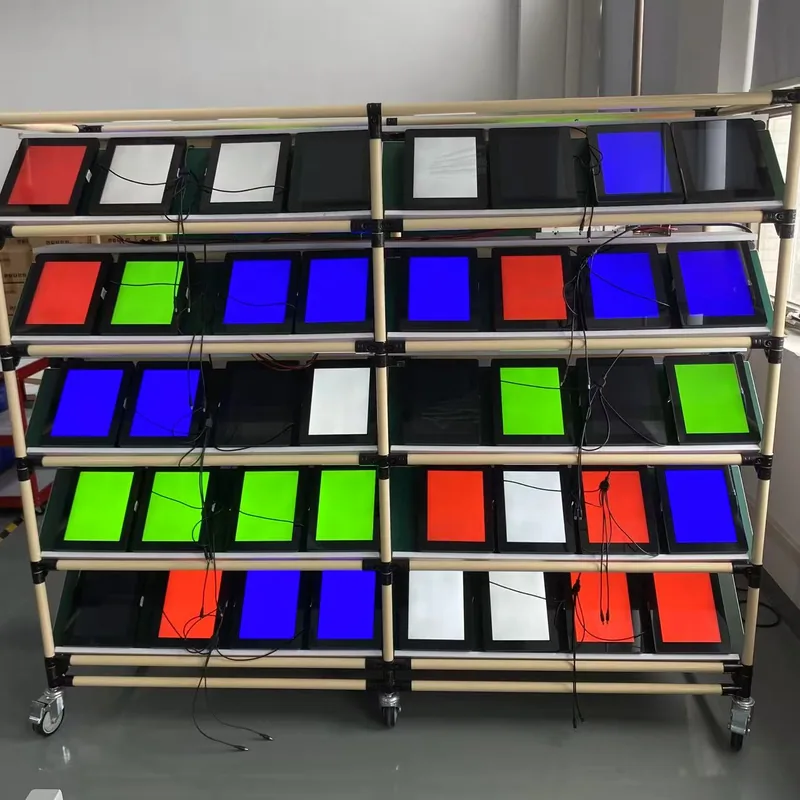
Start with an existing display. Confirm logo, colour, boot screen and packaging options before approving a sample.
Check enclosure dimensions, mounting, connectors, touch and brightness against your installation and electrical requirements.
Share drawings and operating requirements. Agree development work, test criteria, tooling ownership and production terms in writing.
Choose up to 2 models. Compare the differences, then select a model for your enquiry.
| Specification | 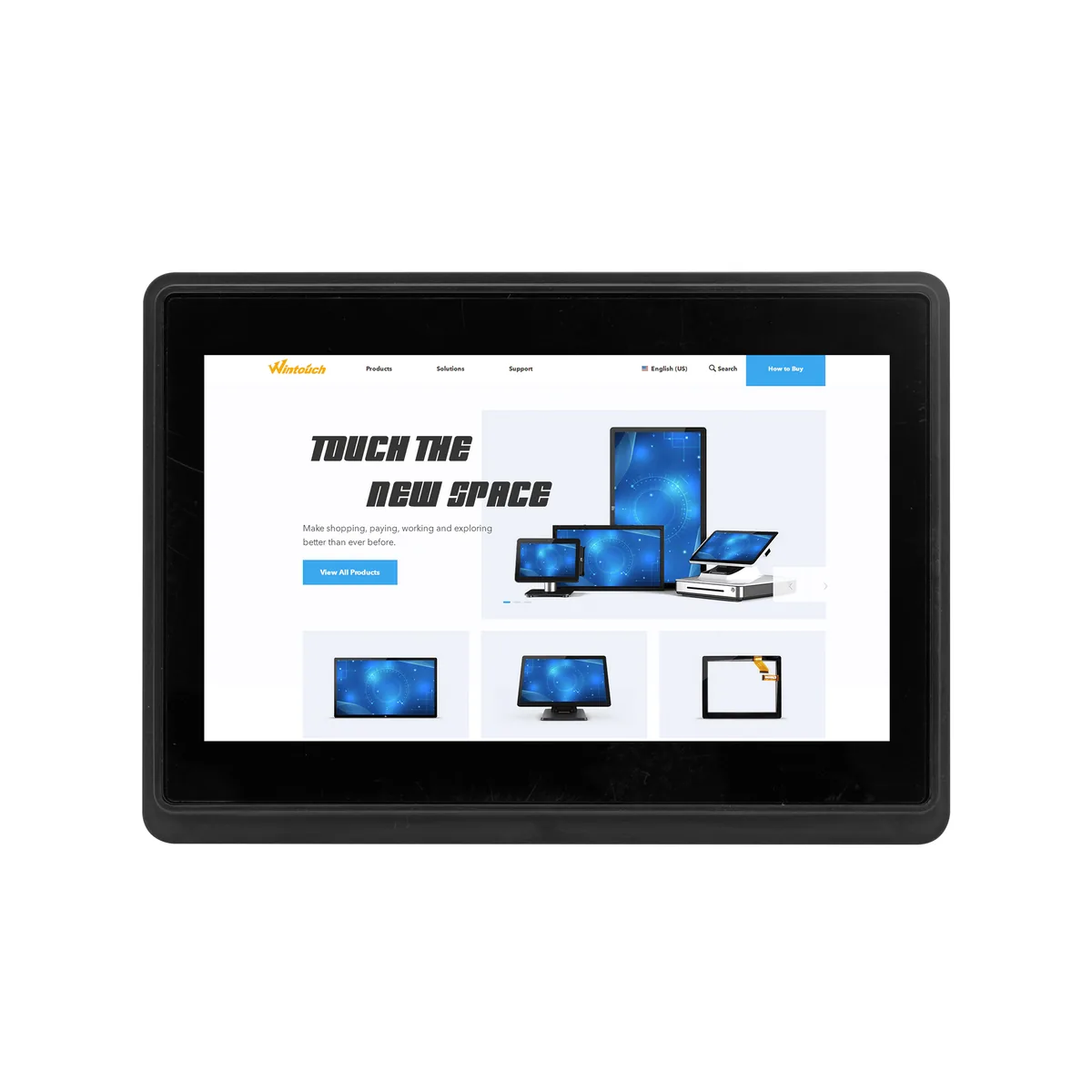 WT070B24 |  WM185DS |
|---|---|---|
| Screen / resolution | 7" · 1024×600 | 18.5" · 1366×768 (1920×1080 optional) |
| Brightness / options | 350 cd/m² (500/1000 cd/m² optional) | 300 cd/m² (500/700/1000 optional) |
| Protection / scope | IP65 (front panel) | IP43 |
| Operating temperature | -10 to 65 °C | 0–50 °C |
| Mounting | VESA 75 | Wall mounting |
| Display interface | HDMI / VGA | — |
| Touch / options | 10-point projected-capacitive touch | 10-point capacitive touch (optional) |
— indicates no published value. A front-panel IP rating does not cover the rear or connectors. Expand all specifications for installation requirements.
Your quotation confirms the final model and configuration.


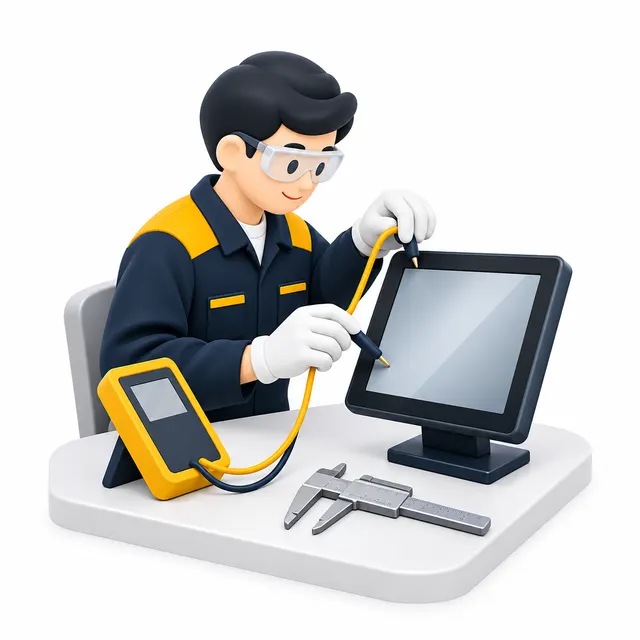
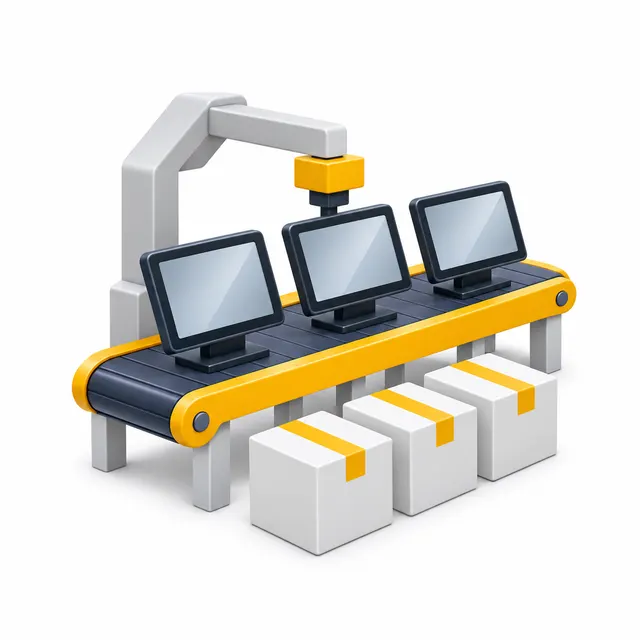
Include size, resolution, brightness, mounting dimensions, installation environment, quantity and target delivery date.
Review sample, custom parts, engineering, tooling, shipping and testing charges. Confirm payment and schedule before sample production. Any later fee credit must be agreed in writing.
Evaluate mechanical fit, image quality, touch and host connections under your intended operating conditions. Record changes and approve the final revision and acceptance criteria before placing the production order.
Pilot availability, minimum quantity and lead time depend on the approved configuration. Custom materials or tooling may require a different minimum. Confirm quantity, inspection and delivery terms in writing.
Start with the model’s listed specification. Values marked optional are alternatives; confirm price, stock and compatibility. Agree logo, colour, boot-screen and packaging changes separately.
New enclosures, connectors, power, cooling, sealing or firmware can require development and testing. Agree the scope, fees, tooling, design ownership and acceptance tests before work starts.
Tell us your screen size, application and quantity. If you selected a model above, it is already added to your enquiry.
Prefer to talk to us?
Loading enquiry form…
For OEM, you usually provide the product specification or design. ODM adapts a manufacturer platform or design to your needs. Agree design responsibility, software scope and intellectual-property ownership in either case.
Ask for unit price, samples, tooling, engineering, software and certification work to be listed separately. Costs depend on the agreed scope; custom development is not automatically included in the product price.
Send the model, configuration and quantity. We confirm availability, minimum order quantity (MOQ) and lead time in your quotation. Custom parts or tooling may affect the minimum.
Request a separate sample quotation to confirm availability. Agree the specification, test criteria, itemised sample and engineering fees, payment and schedule in writing. Samples are not automatically free; any later-order credit must be quoted. Test the sample in your equipment and approve the final revision before production.
Share the application, screen size, installation environment, quantity and delivery date. Add drawings and host system or CMS requirements if available.
Tell us the destination market and model. Request the relevant declaration, certificate or test report, and check its model and applicant details. Documents for one configuration may not cover another.
These are document examples. Request current documents for your model and market; check the holder, model coverage, test scope and validity.


